Discovering Performance: A Complete Guide to the 4JJ1 Engine
The 4JJ1 motor, a robust 3.0-liter diesel four-cylinder, has attracted interest for its design and performance capabilities. With features like turbocharging and common rail direct injection, it delivers impressive torque delivery. However, unlocking its full potential requires a calculated methodology to maintenance and modifications. Grasping these elements is essential for both heavy-duty applications and performance enthusiasts. What precise modifications can meaningfully enhance its performance?
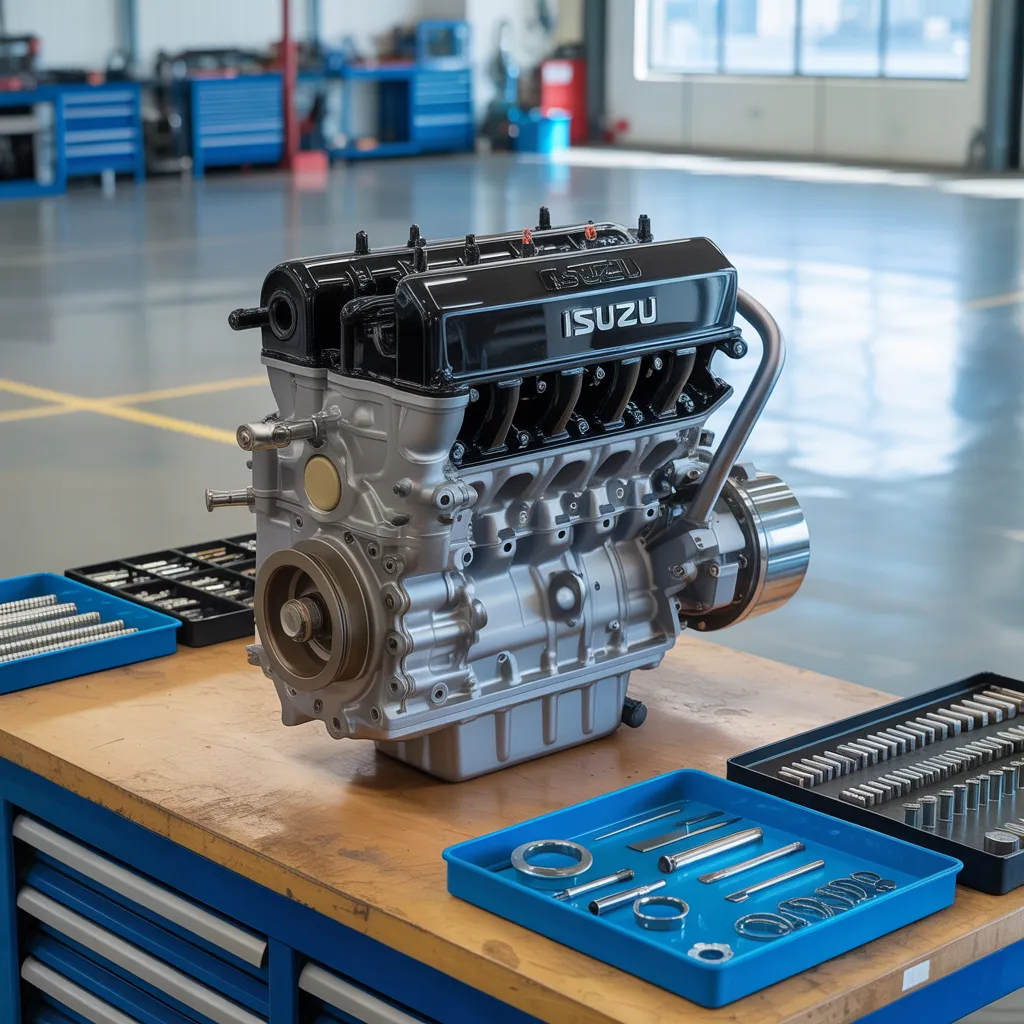
The Structural Features of the 4JJ1 Engine
The 4JJ1 engine demonstrates a sturdy design that focuses on efficiency and durability. This 3.0L four-cylinder diesel engine employs advanced engineering principles to improve its functionality. Its iron block construction ensures strength, while the aluminum cylinder head aids in weight reduction and outstanding thermal performance. The engine boasts a DOHC (Dual Overhead Camshaft) layout, which allows for precise timing and optimized air intake, consequently optimizing combustion efficiency.
Moreover, the 4JJ1 is outfitted with a direct common rail injection system, providing better fuel atomization and lower emissions. The motor's turbocharger boosts power output while sustaining fuel economy. Other engineering elements include a high-strength crankshaft and strengthened pistons, which promote the engine's longevity under demanding conditions. Altogether, the 4JJ1 engine's design demonstrates a dedication to reliability and advanced technology, making it ideal for a wide range of applications.
How the 4JJ1 Engine Distinguishes Itself in Performance
The 4JJ1 engine distinguishes itself through its outstanding torque delivery, offering robust power across various driving conditions. Additionally, its fuel-saving capabilities make it a standout choice for those looking for performance without giving up economy. These features strengthen its reputation in both commercial and personal applications.
Exceptional Torque Delivery
Although many engines aim for performance, the 4JJ1 engine sets itself apart through its outstanding torque performance, making it a leading selection for both utility and performance. This engine features a robust design, allowing it to produce impressive torque at low RPMs, which is critical to tasks demanding significant towing power. The 4JJ1's torque curve stays consistent across a broad spectrum, offering reliable power that elevates drivability, notably in difficult terrain. Its sophisticated turbo system further improves torque performance, enabling rapid acceleration without diminishing stability. This pairing of bottom-end torque and reaction makes the 4JJ1 engine not only suitable for heavy-duty applications but also a reliable option for performance enthusiasts seeking an exhilarating driving experience.
Fuel Efficiency Advantages
Enhancing fuel performance, the 4JJ1 engine emerges as a leading option in the competitive landscape of performance engines. This engine utilizes sophisticated fuel delivery mechanisms and a precisely calibrated turbocharger, allowing it to improve combustion efficiency and lower fuel usage. Its engineering incorporates streamlined elements that boost operational effectiveness without sacrificing power output. Furthermore, the 4JJ1 engine's capability of sustaining uniform torque across a wide RPM range enables more efficient acceleration and reduced power loss. These qualities contribute to a more economical driving experience, making it an superior selection for both commercial and recreational vehicles. As a result, the 4JJ1 engine satisfies power requirements while championing fuel conservation, defining excellence in its class.
Top Upgrades to Boost 4JJ1 Power
Harnessing the complete potential of the 4JJ1 engine often involves a series of carefully planned modifications. Among the most impactful improvements is adding a premium turbocharger, which enhances airflow and considerably amplifies power output. Additionally, enhancing the intercooler can optimize thermal efficiency, enabling improved air intake and improved combustion.
An additional important upgrade is the fitting of a high-performance exhaust setup, which reduces backpressure and enhances exhaust flow, additionally boosting overall engine performance. Reprogramming the engine's ECU can also expose hidden horsepower by modifying fuel maps and ignition timing for greater efficiency.
To conclude, optimizing the fuel supply system with bigger injectors makes certain that the engine gets the necessary fuel for greater power requirements. Combined, these enhancements can evolve the 4JJ1 engine into a more capable, dynamic unit, well-suited to various performance applications.
Critical Maintenance Strategies for Maximizing 4JJ1 Engine Longevity
Routine maintenance plays a vital role in maximizing the longevity of the 4JJ1 engine. Frequent oil changes are necessary, as they ensure optimal lubrication and reduce wear on engine parts. Using high-quality oil and replacing the oil filter at each change will enhance engine performance and longevity. Furthermore, checking coolant levels and refreshing it at regular intervals helps avoid overheating and corrosion.
Air and fuel filters must be inspected and replaced as needed to preserve optimal airflow and fuel flow, which directly impacts engine performance. Regularly checking and adjusting the valve clearance can also guard against potential complications and encourage seamless operation.
Furthermore, ensuring the engine remains free of debris and dirt can prevent overheating and mechanical failures. As a final point, sticking to the manufacturer's recommended service intervals for timing belts and other important components is critical. By following these key maintenance practices, owners can greatly enhance the durability and reliability of the 4JJ1 engine.
How to Troubleshoot Common 4JJ1 Engine Issues?
Even with careful upkeep routines, those who operate 4JJ1 engines might experience problems as time goes on. Frequently observed symptoms consist of excessive smoke, rough idling, and a loss of power. To troubleshoot these problems, the fuel system additional information should be inspected first for blockages or leaks, because consistent fuel supply is critical to maintaining optimal engine function. Inspecting the air filter is also important, because a contaminated filter can impede airflow and cause performance issues.
Next, examining the motor's monitoring devices, such as the air intake and throttle control sensors, can reveal issues influencing performance. Moreover, reviewing for fault codes using an onboard diagnostic scanner can provide valuable information into potential issues.
Additionally , making sure the cooling system operates correctly is essential to prevent overheating , which can result in serious mechanical damage. By methodically working through these areas , those who operate 4JJ1 engines can successfully diagnose and fix common problems , making certain their engine operates dependably.
Comparing the 4JJ1 Engine to Other Diesel Engines
While many diesel engines offer robust performance, the 4JJ1 engine sets itself apart due to its unique blend of efficiency and power. Compared to traditional diesel engines, the 4JJ1 is recognized for its lightweight design, which supports better fuel economy without reducing torque. Its turbocharged, intercooled setup boosts performance, making it especially well-suited for commercial and light-duty applications.
When compared to competing options including the Cummins ISB or the Ford 7.3L Power Stroke, the 4JJ1 consistently offers equivalent torque performance while maintaining lower emissions. Additionally, the engine's smaller footprint provides adaptability during installation, making it attractive to both original equipment manufacturers and enthusiast builders.
The Way Modifications Influence 4JJ1 Engine Maintenance Needs
Adjustments to the 4JJ1 motor can markedly alter its maintenance schedule. Enhanced cooling systems may become necessary to accommodate higher performance levels, while regular oil changes may be required due to higher thermal conditions. Moreover, improved fuel quality could be essential to sustain the optimized operational parameters caused by these changes.
Improved Cooling Needs
As engine output is boosted through a range of enhancements, the cooling demands of the 4JJ1 engine become increasingly vital. Enhancements such as turbocharging and improved intake systems create increased heat levels, demanding superior heat dissipation methods. Factory cooling setups may be insufficient to handle the additional thermal load, resulting in possible thermal failure and mechanical harm. Consequently, enthusiasts may need to take into account installing high-performance radiators, upgraded intercoolers, and enhanced coolant circulation systems. Moreover, regular maintenance of the cooling system, encompassing leak inspections and maintaining correct coolant volumes, proves absolutely necessary. Failing to address these upgraded cooling demands can undermine the benefits gained from performance modifications, thereby impacting the motor's durability and dependability. Proper management of these factors is imperative for peak engine performance.
Increased Oil Change Frequency
Enhanced cooling solutions are not the only aspect requiring attention when refining the 4JJ1 engine. Modifications aimed at improving performance often lead to higher engine thermal loads and pressure, thereby impacting oil integrity and lifespan. As a result, operators may need to adopt a more rigorous oil change schedule to sustain engine performance. Frequent oil services become necessary to secure sufficient lubrication, limit wear, and eliminate sludge formation. Additionally, synthetic oil blends, frequently utilized in enhanced engines, tend to break down quicker under elevated performance demands. Therefore, maintaining peak oil quality through increased change frequency is critical for the lifespan and effectiveness of the 4JJ1 engine, making sure that it operates smoothly under enhanced performance conditions.
Enhanced Fuel Quality Requirements
Improving fuel quality is essential for maintaining the efficiency and durability of the 4JJ1 engine, especially following upgrades. Upgraded fuel systems and aftermarket parts often require higher octane or cetane levels to improve combustion efficiency. Utilizing low-quality fuel can cause reduced power output, knocking, and higher emissions, undermining the gains of any upgrades. Furthermore, superior quality fuels typically include cleaning agents that work to reduce carbon deposits, a key aspect for modified engines that may function under greater demands. Routinely checking the quality of fuel and ensuring compatibility with modifications can significantly prolong the lifespan of the engine and improve overall efficiency. As a result, purchasing high-quality fuel becomes a critical component of maintaining the 4JJ1 engine after enhancements are implemented.
Upcoming Innovations in the 4JJ1 Engine
While the 4JJ1 engine has established itself as a reliable choice in various applications, new developments on the horizon aim to significantly improve its capabilities and efficiency. Improvements in turbocharging technology are designed to boost power output while minimizing lag, facilitating a smoother and more immediate driving experience. Additionally, the integration of advanced electronic control units (ECUs) is expected to optimize fuel injection and combustion processes, leading to improved fuel efficiency and reduced emissions.
Investigations into substitute fuel sources, like biodiesel mixtures and engineered fuels, could also expand the adaptability of the 4JJ1 engine, making it more environmentally friendly. Better cooling systems and refined materials are currently being evaluated to improve resilience and performance in challenging operating environments. Finally, continued partnerships with vehicle producers may lead to tailored modifications, ensuring that the 4JJ1 engine remains competitive in an evolving market. Such advancements together seek to reinforce the engine's status as a leader in its segment.
Questions We Often Receive
What Is the Historical Background of the 4JJ1 Engine's Development?
The 4JJ1 engine was developed by Isuzu in the beginning of the 2000s, with the goal of improving fuel efficiency and durability in commercial vehicles. Its engineering highlights innovations in diesel technology while prioritizing environmental compliance.
How Does the 4JJ1 Engine Hold Up Under Extreme Weather Conditions?
The 4JJ1 engine demonstrates dependable operation in severe weather conditions, maintaining efficiency and power. Its sturdy construction integrates features that optimize cold-weather starting and thermal management, guaranteeing adaptability across various climates and challenging environments.
What Are the Most Common Misconceptions About the 4JJ1 Engine?
Prevalent misconceptions about the 4JJ1 powerplant encompass false notions regarding its longevity, fuel efficiency, and capability in harsh environments. It is commonly thought it tends to overheat or experience significant wear, which is commonly inflated or lacking in evidence.
Where Can I Source Replacement Parts for the 4JJ1 Engine?
Replacement parts for the 4JJ1 engine model can be obtained at certified dealerships, internet-based automotive retailers, and dedicated engine parts suppliers. In addition, nearby auto parts stores may carry compatible components for this engine model.
What Is the Typical Lifespan of a 4JJ1 Engine?
The typical lifespan of a 4JJ1 engine generally falls from 200,000 to 300,000 kilometers, based on overall care, driving habits, and maintenance schedules. Routine maintenance can greatly extend its operational longevity.